

SG Best Handyman

Home care tips

Helpful reading for property owners

Practical guides to keep your Singapore home or office in the best condition.

Signs your circuit breaker needs an upgrade
Electrical

Signs your circuit breaker needs an upgrade

Watch for frequent trips, buzzing sounds, and burning smells from the panel.

Ask about this
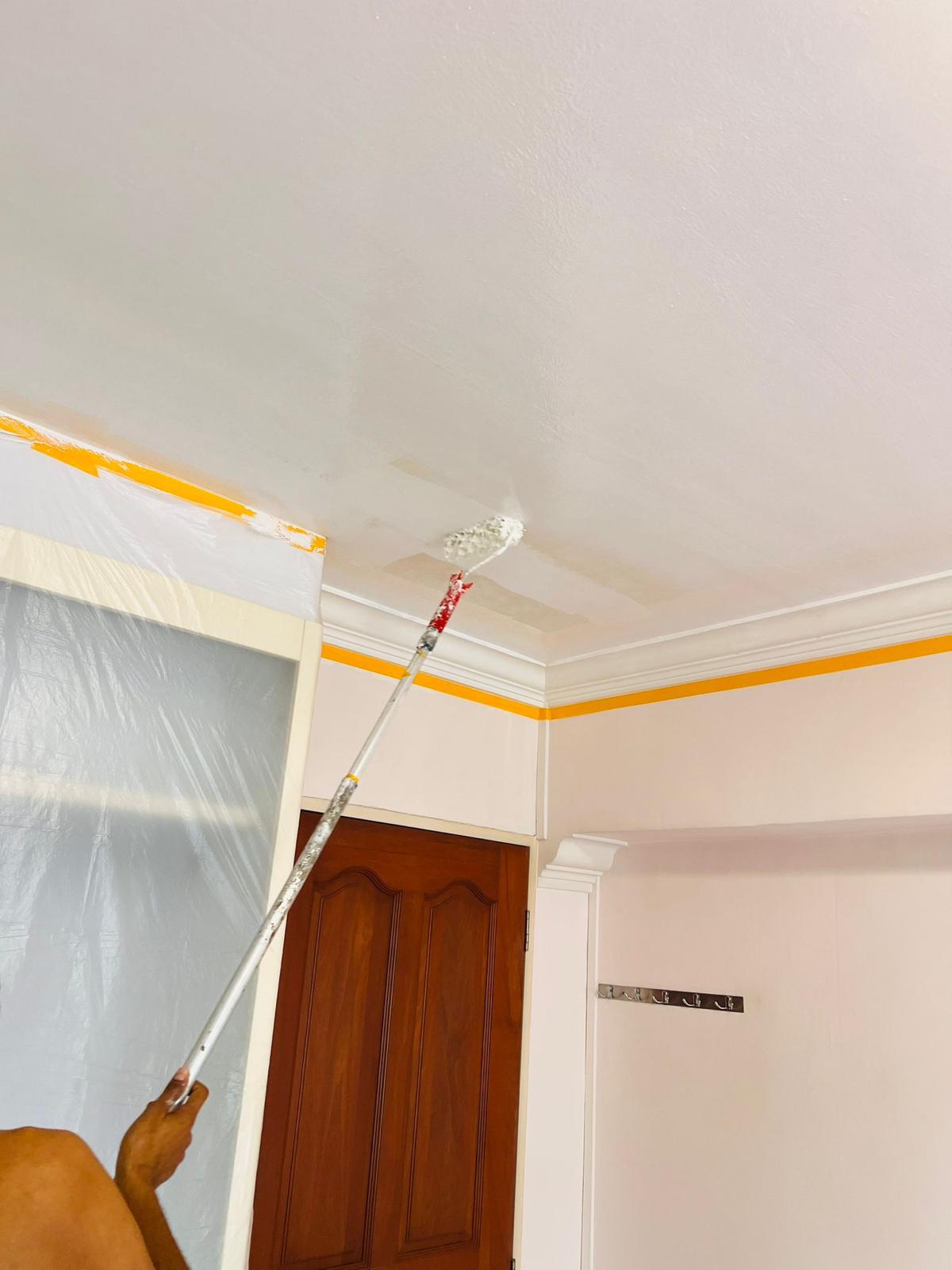
How to prepare walls before painting
Painting

How to prepare walls before painting

Proper patching and sanding ensure a smooth, long-lasting finish for your rooms.

Ask about this

Caring for your wooden cabinets
Carpenter

Caring for your wooden cabinets

Simple maintenance tips to prevent hinge rust and wood warping in humid weather.

Ask about this

Signs your water line needs attention
Plumbing

Signs your water line needs attention

Watch for damp walls, low pressure and unusual pipe noise.

Ask about this
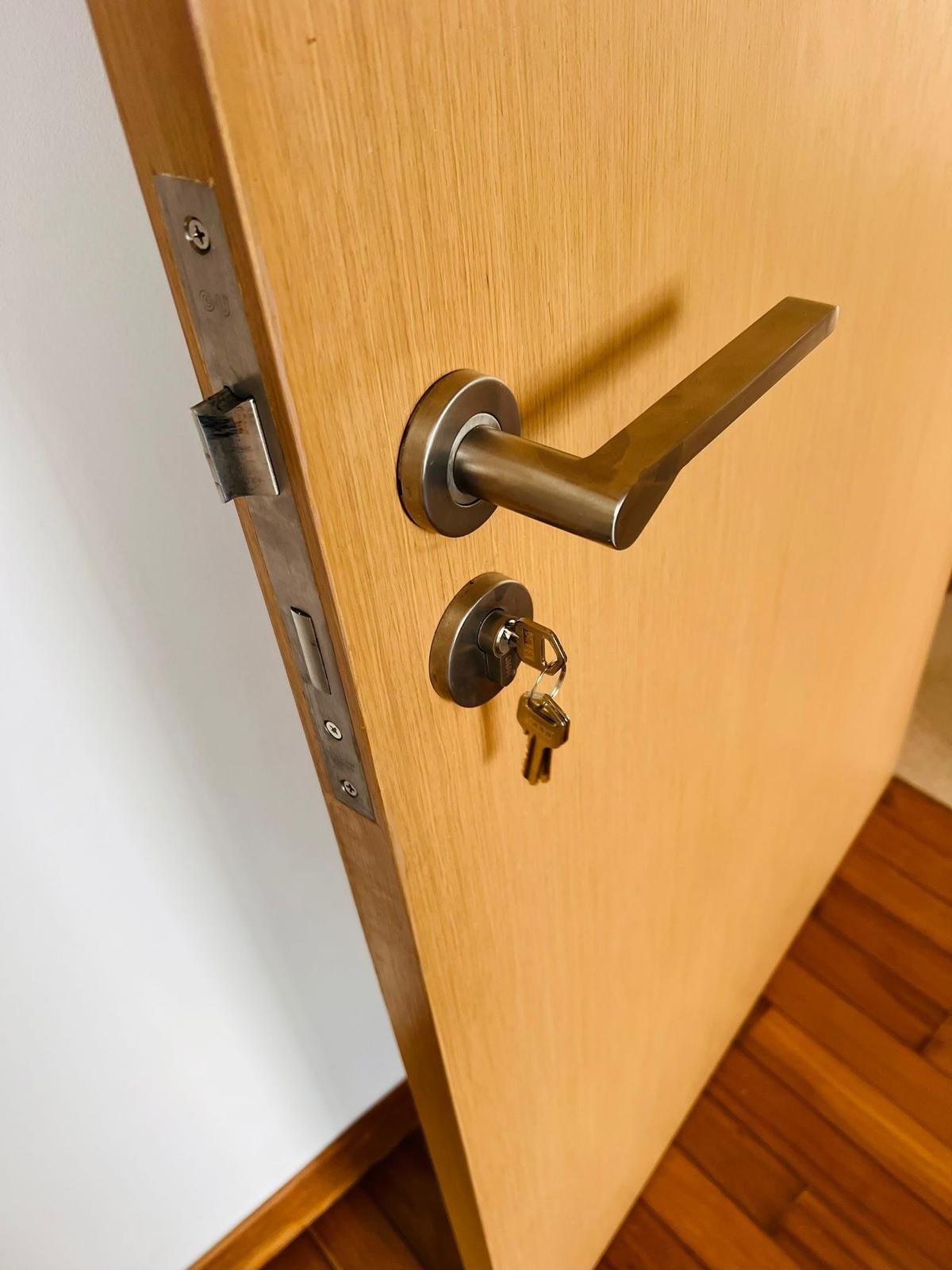
Quick fixes for a squeaky door
Door Repairing

Quick fixes for a squeaky door

Simple home remedies to silence noisy door hinges instantly.

Ask about this
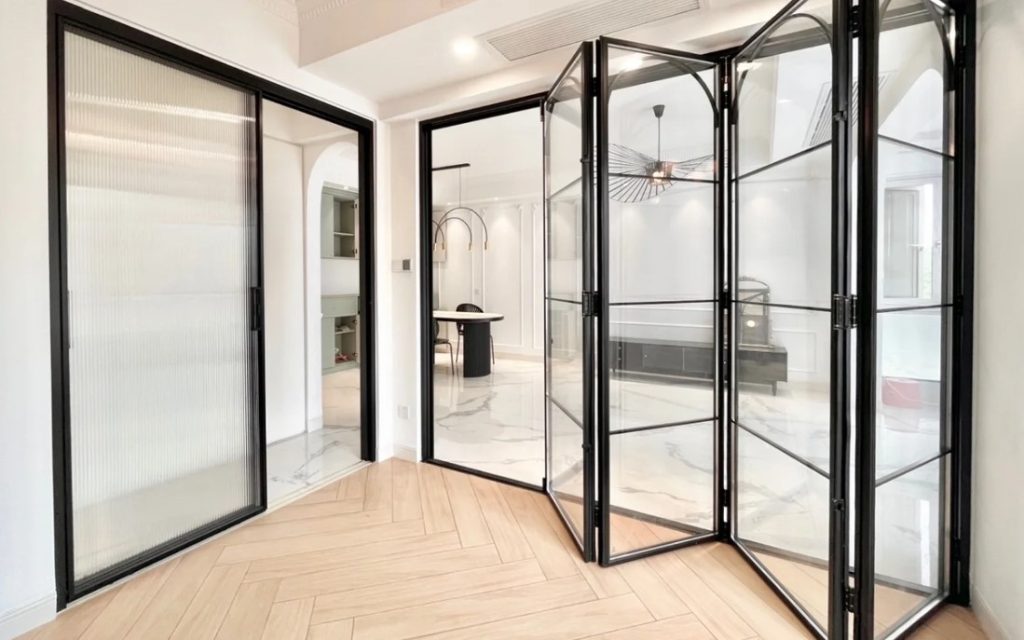
Maintaining your sliding glass windows
Aluminium Glass

Maintaining your sliding glass windows

Keep the tracks clean and the glass spotless with these easy steps.

Ask about this
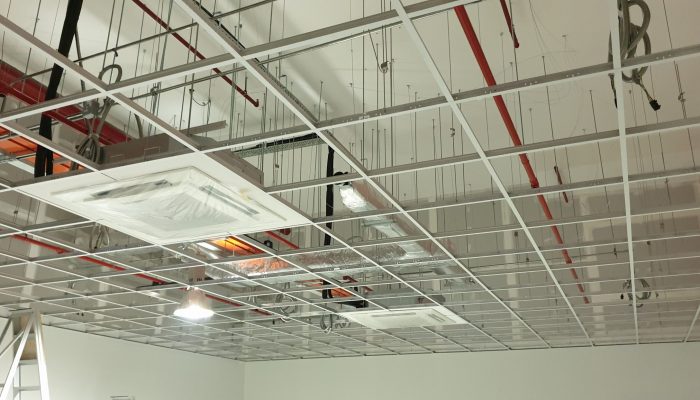
Benefits of a false ceiling in offices
Ceiling Partition

Benefits of a false ceiling in offices

How a false ceiling can improve room aesthetics, lighting, and hide messy wiring.

Ask about this

Before you call

Quick Troubleshooting Guides

What to check yourself, safety notes to keep in mind, and when it's time to stop and call a professional.

Check yourself first

  • Check if the issue affects one socket/light or the whole unit
  • Look at the breaker box for a tripped switch
  • Unplug appliances on that circuit to see if power returns
  • Note any burning smell, sparking, or discolouration
Safety note

Never touch a switch, socket or wire that feels warm, smells burnt, or shows scorch marks. Turn off the main breaker if it's safe to reach.

Call a professional when

The breaker trips repeatedly, you smell burning, or power loss affects more than one room.

Check yourself first

  • Check if peeling paint is isolated or spreading across the wall
  • Press lightly on damp-looking patches to see if they're soft
  • Look for hairline cracks near the affected area
  • Note whether the issue is near a window, bathroom, or pipe
Safety note

Avoid sanding old paint in older units without checking it first — some older coatings may need careful handling.

Call a professional when

A watermark keeps returning after touch-ups, or a crack has visibly widened since you first noticed it.

Check yourself first

  • Check if the hinge, runner or bracket is loose vs. broken
  • Try gently realigning a stuck drawer before forcing it
  • Look underneath shelves for a bent or pulled-out bracket
  • Check if the panel itself feels swollen or damp
Safety note

Don't force a stuck drawer or door repeatedly — it can snap a runner or hinge that was only loose.

Call a professional when

A cabinet door no longer sits flush, a shelf has visibly bowed, or laminate is peeling at the edges.

Check yourself first

  • Locate the nearest shut-off valve before anything else
  • Check if the leak is from a joint, the tap body, or a hose
  • Look at the floor trap or drain for slow draining or smell
  • Note whether water is clean or discoloured
Safety note

If water is actively leaking near any electrical point or socket, switch off power to that area first, then handle the leak.

Call a professional when

There's active leaking, low water pressure across multiple fixtures, or a toilet cistern that won't stop running.

Check yourself first

  • Check if the door scrapes the floor in one spot or all along the edge
  • Test if the lock latch catches on the first try or needs a second push
  • Look at hinges for visible rust, looseness or gaps
  • For sliding doors, check if it's stuck on the track or off it completely
Safety note

Avoid lubricating a stuck lock with the wrong product — some sprays attract dust and make sticking worse over time.

Call a professional when

The door needs force to close, the lock sometimes doesn't catch, or a sliding door has jumped its track.

Check yourself first

  • Check if a crack is small and stable, or visibly spreading
  • Look at the frame edge for water seepage marks after rain
  • Test if a sliding panel needs more force to move than before
  • Check seals for gaps or stiffness
Safety note

Keep the area clear of foot traffic if glass is cracked or chipped, even if it looks intact, until it's been assessed.

Call a professional when

A crack is spreading, water seeps in along the frame, or a sliding panel won't move smoothly.

Check yourself first

  • Check if a ceiling stain is dry or still feels damp to a light touch
  • Look at partition joints for cracks following the same line repeatedly
  • Note if any wiring or piping is visibly exposed
  • Check if the issue is isolated or spreading across the surface
Safety note

Don't touch a ceiling board that's sagging or visibly heavy with water — it may be close to giving way.

Call a professional when

A watermark ring appears on the ceiling, a partition joint cracks again after patching, or a board feels soft or sagging.

Not sure which it is?

Send us a photo or short video on WhatsApp and we'll help you figure out the next step.

WhatsApp Us